Reactions to Tradescantia
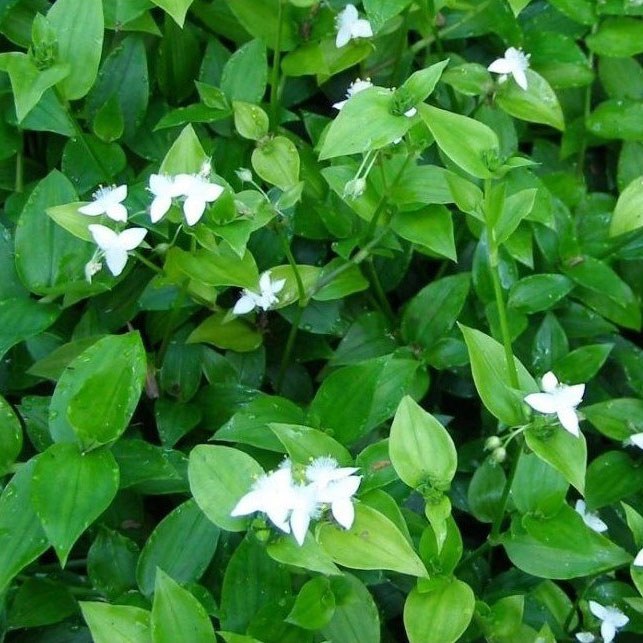
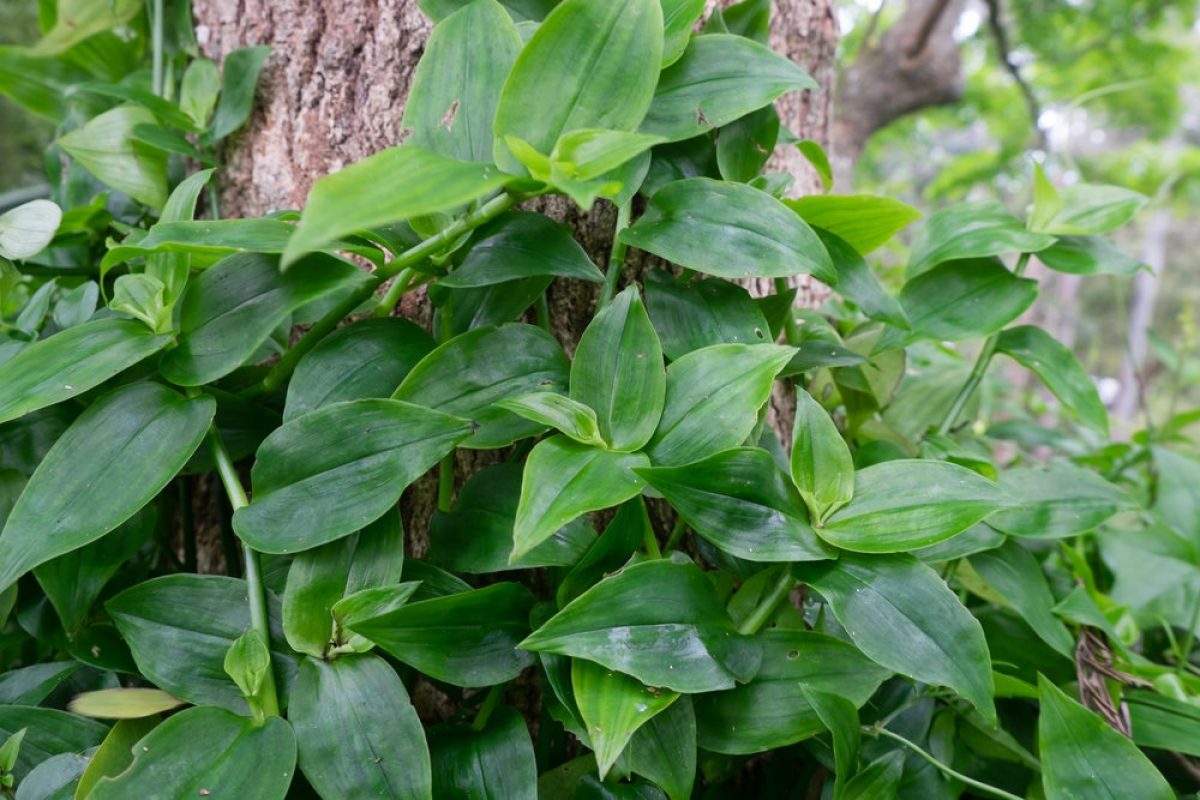
Tradescantia is a fast-spreading groundcover commonly found in damp, shady gardens, bushy areas and along streams or riverbanks. It has glossy green leaves, fragile stems and small white flowers. Broken pieces readily take root, allowing the plant to spread easily. It is still known to many people by its former common name, wandering jew.
How can tradescantia affect pets?
Contact with tradescantia can trigger a very itchy skin reaction, particularly in sensitive dogs. The paws, muzzle, ears and undercarriage are commonly affected because these areas are most likely to brush against the plant. Signs may include redness, bumps, crusting, licking, chewing and scratching. Continued self-trauma can further damage the skin and allow secondary bacterial or yeast infection to develop.
Some dogs react strongly while others appear unaffected. Once a dog has become sensitive to the plant, signs may return following further contact.
What can you do?
Reduce exposure
Avoid known patches while walking and check shady or damp areas of your garden. Tradescantia is easy to pull up, but it regrows readily from small stem fragments. Remove all pieces carefully and dispose of them securely rather than dumping garden waste where the plant could spread.
Rinse after contact
Rinse your pet’s paws and any exposed skin after walks or known contact. A gentle, pet-safe cleanser such as neem soap may also help remove plant residue and soothe mildly irritated skin. Dry carefully, particularly between the toes.
Our Itchy Paws article has further practical paw-care and foot-soak options.
Support healthy skin from within
A clean, species-appropriate diet and good gut health may help support the skin barrier, inflammatory balance and overall resilience. Review everything your pet eats (including treats, chews and extras) and speak with our team if you would like help optimising their food.
Nutrition cannot remove an environmental trigger, but it can form a valuable part of the wider skin-health plan.
Soothe mildly irritated skin
A pet-safe topical such as plain aloe vera gel or Belle Bird cream may help soothe mildly irritated, intact skin. Prevent licking where possible and stop using any product that appears to worsen the irritation.
When to see your veterinarian
Seek veterinary advice if the skin is painful, very inflamed, broken, strongly smelling, producing discharge, spreading or not settling once contact has stopped. Veterinary treatment may also be needed where itching is severe or secondary infection has developed.
Repeated flare-ups may indicate ongoing exposure or a wider allergic skin pattern. Food and gut-health support can still be valuable alongside appropriate veterinary treatment.
Further plant identification and control information: Massey University New Zealand Weeds Database.
Written by Dr Rebecca Brown, BVSc
Veterinarian, Raw Essentials
Last updated: 4 September 2026
Raw Essentials | Wildly Good Advice & Nutrition

New Zealand's raw pet food experts
Locally sourced frozen raw pet food
Natural treats and freeze dried pet food
17 pet friendly stores across New Zealand
Nationwide raw pet food delivery
[email protected]
Copyright Raw Essentials Limited. All rights reserved.
RAW ESSENTIALS | Wildly Good Advice & Nutrition
New Zealand's raw pet food experts
Frozen raw, treats and freeze dried pet food
17 pet friendly stores across New Zealand
[email protected]
Copyright Raw Essentials Limited. All rights reserved.